|
|
|
|
|
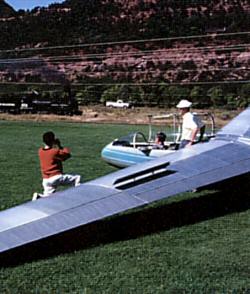
It is often said that the most dangerous part of soaring is the drive to the airport. The sport is considered so safe, in fact, that the Federal Aviation Administration will allow 14-year-olds to fly gliders solo, while in most states they must wait until they are 16 to drive automobiles. Beneath their sleek exteriors, gliders are engineered for strength and safety. Gliders are very sturdy aircraft, and because they land at such low speeds, the risk of physical injury is very slight, even on the rare landing so grossly miscalculated that it damages the glider. Pilots learn to fly sailplanes knowing the limitations of their craft and their own personal flying ability, and plan their flights accordingly. Good pilots always keep a safe landing site within gliding distance. Take a good training program, add a dash of self-discipline, and you have the recipe for safe, lifelong participation in a glorious sport.
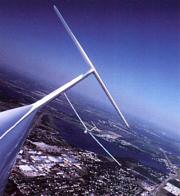
For pilots who wish to challenge themselves further, there are state, national, and world records to be set and broken. A review of the world records will acquaint you with the top soaring achievements and should increase your respect for the capabilities of sophisticated soaring equipment in the hands of experienced pilots. Cross-country flights of over 1500 miles have been made in sailplanes! Altitudes near 50,000 feet have been achieved, and cross-country average speeds in excess of 120 miles per hour have been achieved - all with no engine! These remarkable accomplishments provide ample evidence that there is no end to the challenges that top soaring pilots set for themselves.
|